
Beginner Bible Study
Bible Reading vs. Bible Study: What’s the Difference—and How to Do Both
Bible reading and Bible study are not rivals. One helps you move broadly through Scripture, and the other helps you slow down with focused attention.
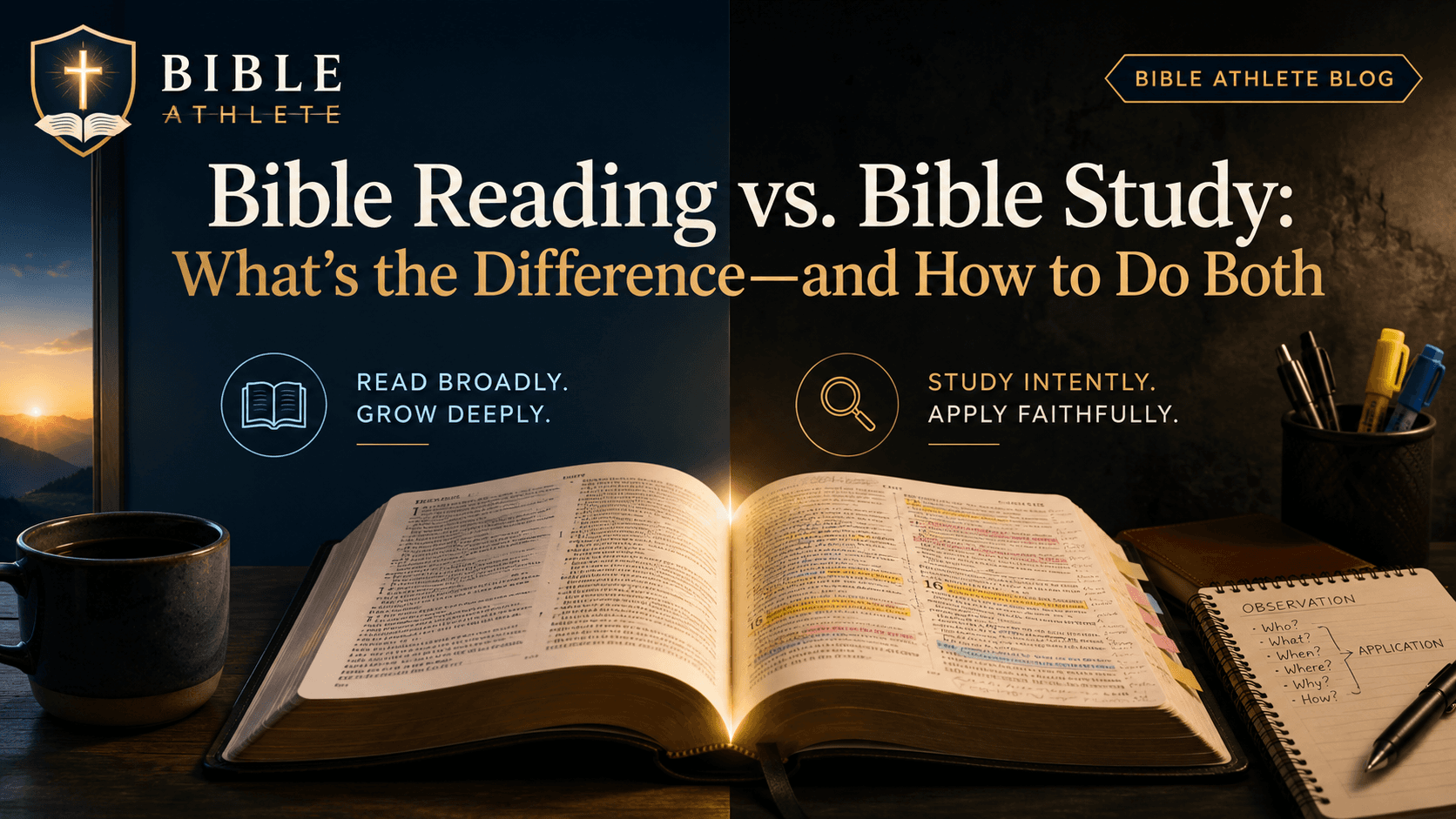
Reading and study are both good
Bible reading and Bible study are sometimes treated like competing approaches. They do different work, and most believers benefit from both.
Reading helps you move through larger portions of Scripture. Study helps you slow down, observe carefully, ask questions, and understand a smaller section more deeply.
You do not have to choose a permanent identity as either a reader or a studier. Some seasons need breadth, some need depth, and many weeks need a little of each.
What Bible reading does well
Broad reading helps you see flow, repeated themes, and the shape of whole books. It lets you hear context that disappears when you only study isolated verses.
It also keeps familiar verses connected to unfamiliar neighbors. That wider view can protect you from making a favorite line carry more weight than the passage gives it.
Reading also builds familiarity. Names, places, promises, warnings, and storylines become less foreign because you have met them more than once.
What Bible study does well
Focused study gives a passage your full attention. You slow down to notice repeated words, arguments, commands, contrasts, questions, and details that broad reading can pass too quickly.
Study is also where questions become useful. What does this word mean in context? Why does this response matter? What detail would I need to explain clearly?
Focused study can also slow your assumptions. A familiar verse may sound obvious until you notice the speaker, the audience, or the sentence before it.
That slower pace is not academic decoration. It is one way to love the text enough to hear what it actually says before deciding what you think it says.
A simple weekly rhythm for both
You do not need a rigid system to combine reading and study. Try reading broadly on several days and choosing one section from that reading for slower study.
One flexible pattern
- 1Read for flow three or four daysMove through a chapter or natural section and note the main movement.
- 2Study one smaller sectionReturn to a paragraph, scene, or teaching unit and write observations.
- 3Use questions to test understandingAsk what happened, what repeated, what you missed, and what you can explain.
Keep both connected to attention
Broad reading without attention becomes skimming. Focused study without context can become overconfident. The two practices help correct each other.
If you are unsure which one to do today, choose based on need. If you feel lost, read for context. If a passage feels important or confusing, slow down and study it.
Keep training
Related Bible study guides
Beginner Bible Study
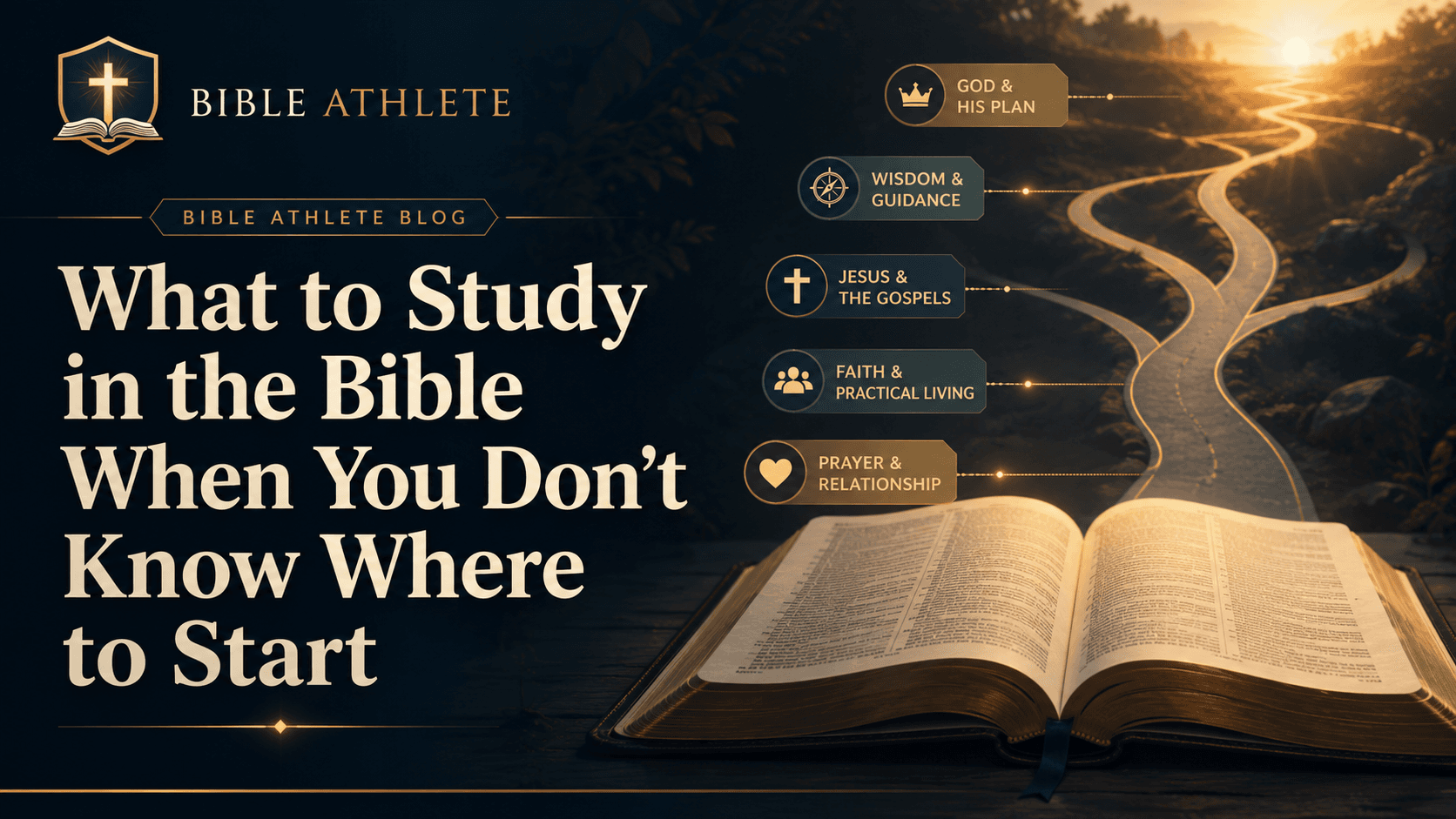
What to Study in the Bible When You Don’t Know Where to Start
When the Bible feels too big to begin, start with a clear question, a manageable section, and one honest observation.
Scripture Memory
Why You Forget What You Read in the Bible—and How to Remember More
Forgetting what you read is common. Question-based recall can help you notice what stuck and what needs another look.
Bible Questions and Recall
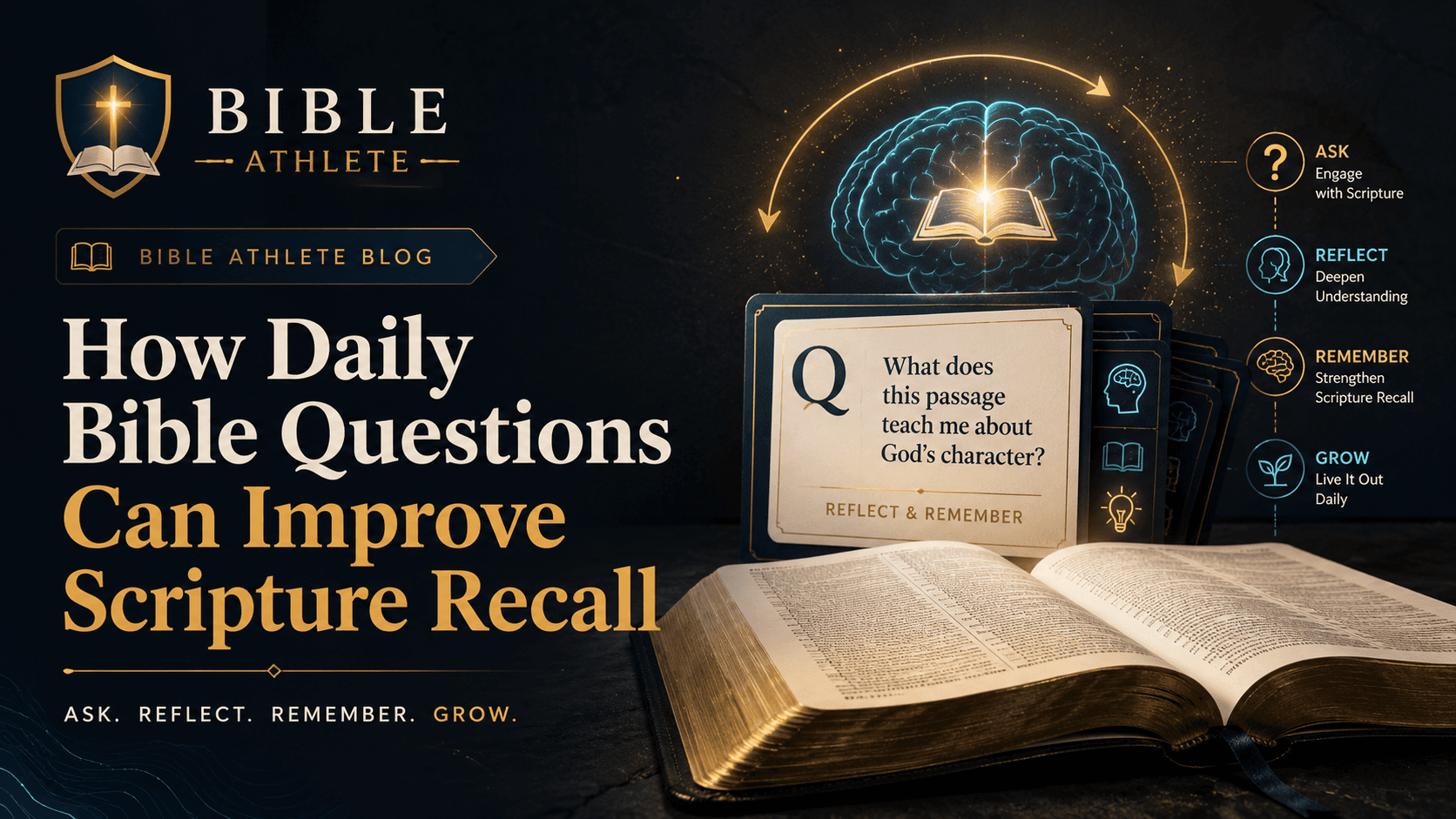
How Daily Bible Questions Can Improve Scripture Recall
Daily Bible questions can help you retrieve people, places, sequence, and wording from the text without confusing quiz scores with spiritual maturity.