
Bible Study Habits
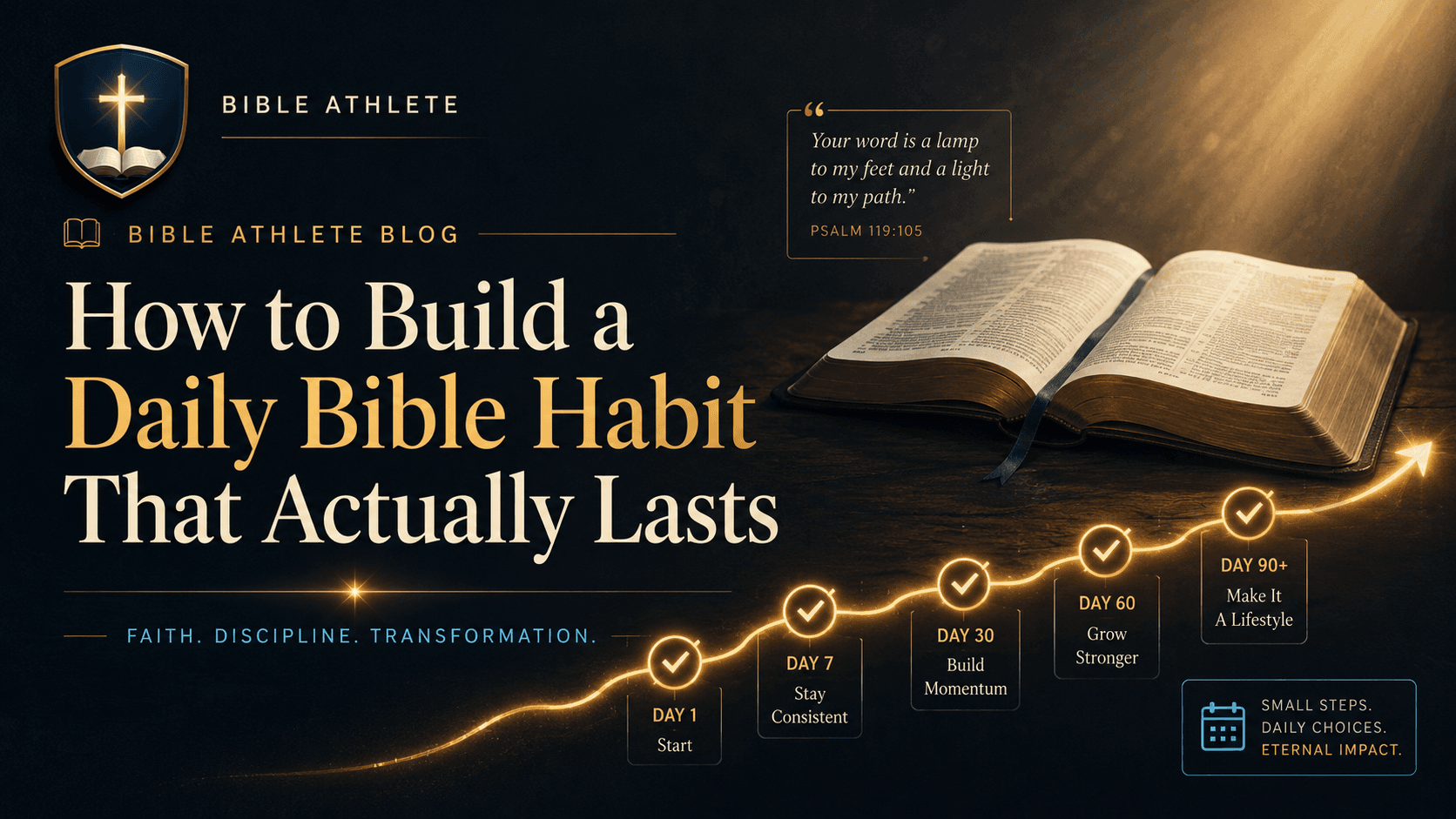
How to Build a Daily Bible Habit That Actually Lasts
A lasting Bible habit is less about a perfect streak and more about a repeatable rhythm you can return to.
Why vague intentions usually fail
Most people do not fail at Bible reading because they hate Scripture. They fail because the plan is too blurry to repeat on an ordinary Tuesday.
A goal like “I need to read the Bible more” sounds sincere, but it does not answer the practical questions. When will you read? Where will you be? What will you do when you are tired? What counts as enough for today?
Choose a cue you already trust
A cue is the moment that reminds you to begin. The strongest cues are already attached to your day: after coffee, before lunch, when the kids are asleep, after brushing your teeth, or before you open your laptop.
Try pairing Bible study with one dependable moment instead of waiting for a perfect quiet hour. A steady cue removes one decision from the day, which makes the habit easier to repeat.
A simple cue plan
- 1Pick one existing momentChoose a time that already happens most days, even if it is not ideal.
- 2Name the first actionFor example: open the passage, read one paragraph, and write one observation.
- 3Keep the materials nearbyRemove friction by deciding where the Bible, notebook, or app will be before the cue arrives.
Start smaller than your ambition
A habit that lasts has to survive low-energy days. If your minimum plan only works when life is calm, it is not really your minimum plan.
Start with a realistic amount: one short section, one paragraph, or one story scene. You can always keep reading, but the minimum should be small enough that you can complete it before the day starts arguing with you.
Make engagement active instead of passive
Passive reading can be meaningful, but it is easy to finish a passage and realize you cannot explain what you just read. Active engagement gives your mind something clear to do.
- Write one thing you noticed.
- Name the main person, place, or problem in the passage.
- Ask one question the passage raises.
- Summarize the section in one sentence.
- Recall one detail without looking back.
Recover after a missed day without starting over
A missed day is not proof that the habit failed. It is simply a moment to return. Treat recovery as part of the plan, not as a special emergency.
The next session should be simple. Do not punish yourself with a double assignment. Read the next manageable section, make one observation, and continue. Consistency grows when returning feels possible.
Measure consistency by returns, not by an untouched streak. A person who misses Wednesday and returns Thursday is still building a real habit.
You can track a checkmark, a short note, or one remembered detail. The point is to see momentum clearly without turning the tracker into another source of pressure.
Keep training
Related Bible study guides
Bible Study Habits
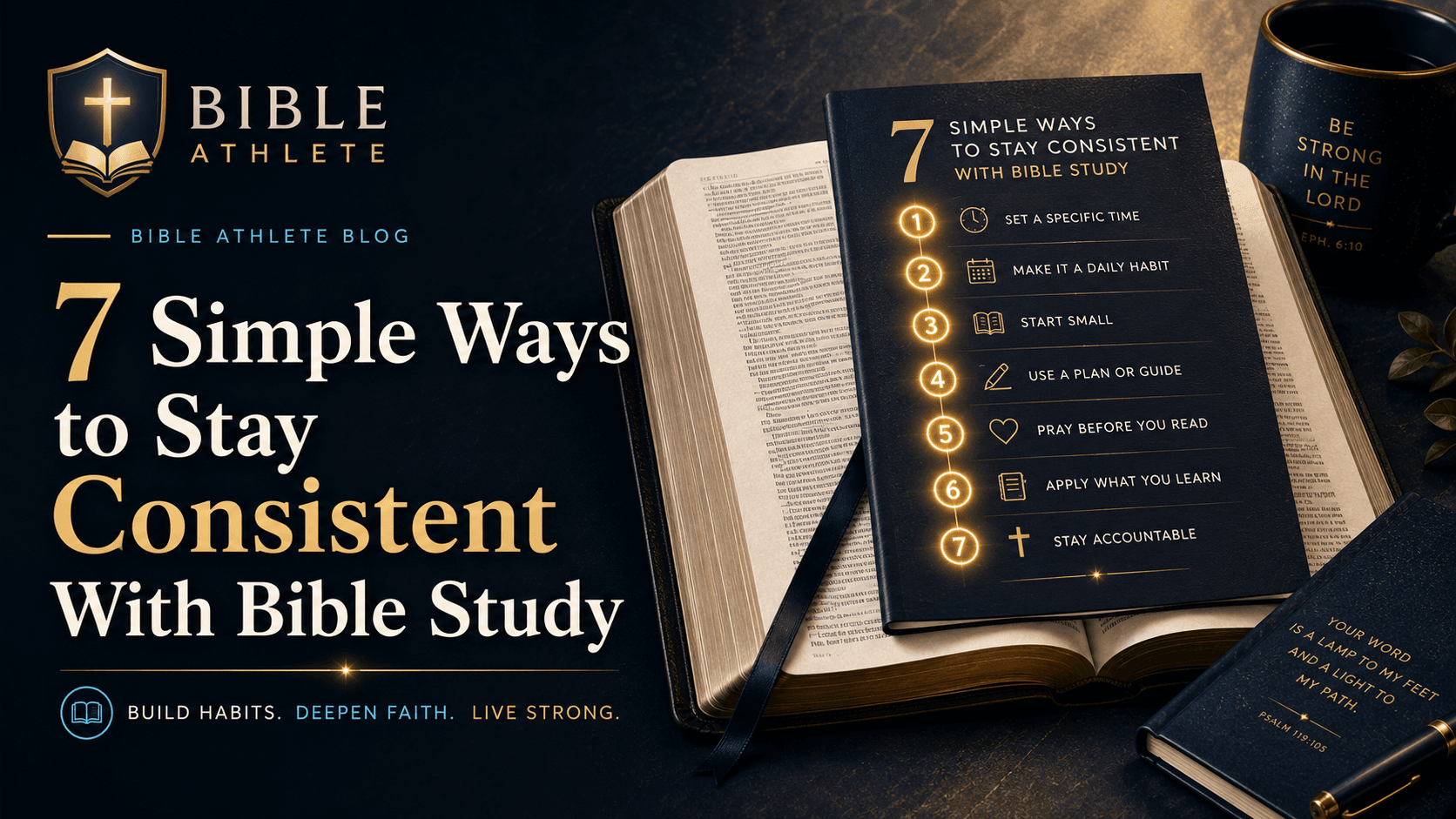
7 Simple Ways to Stay Consistent With Bible Study
Consistency grows when your plan is specific, small enough to repeat, and easy to return to after interruptions.
Bible Study Habits
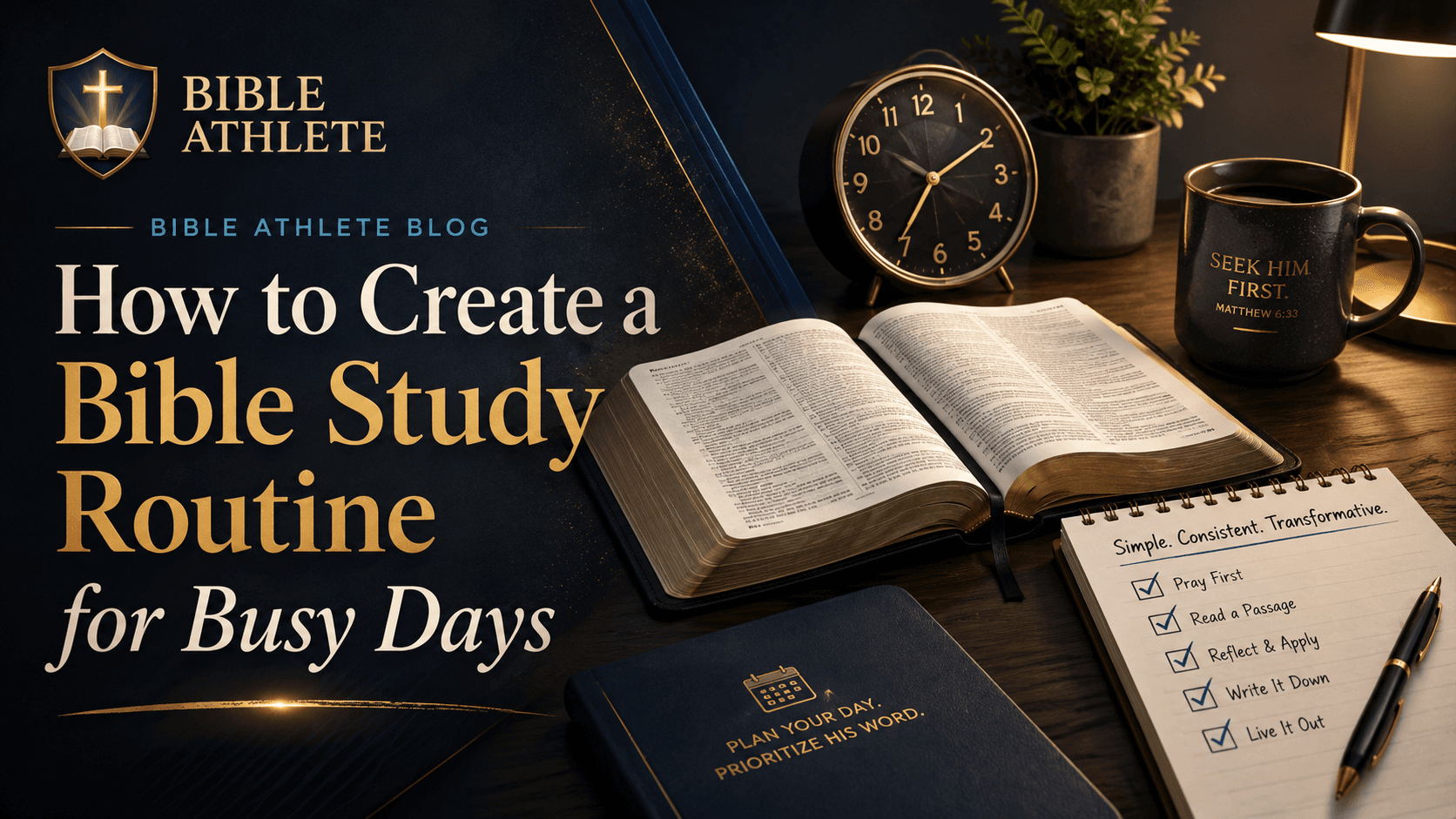
How to Create a Bible Study Routine for Busy Days
A busy day does not need an all-or-nothing Bible study plan. It needs a minimum routine you can actually repeat.
.png&w=3840&q=75)
Beginner Bible Study
A Simple 5-Minute Bible Routine for Beginners
Five focused minutes can give beginners a clear starting rhythm without pretending that short study is the only meaningful way to meet Scripture.