
Bible Study Habits
How to Create a Bible Study Routine for Busy Days
A busy day does not need an all-or-nothing Bible study plan. It needs a minimum routine you can actually repeat.
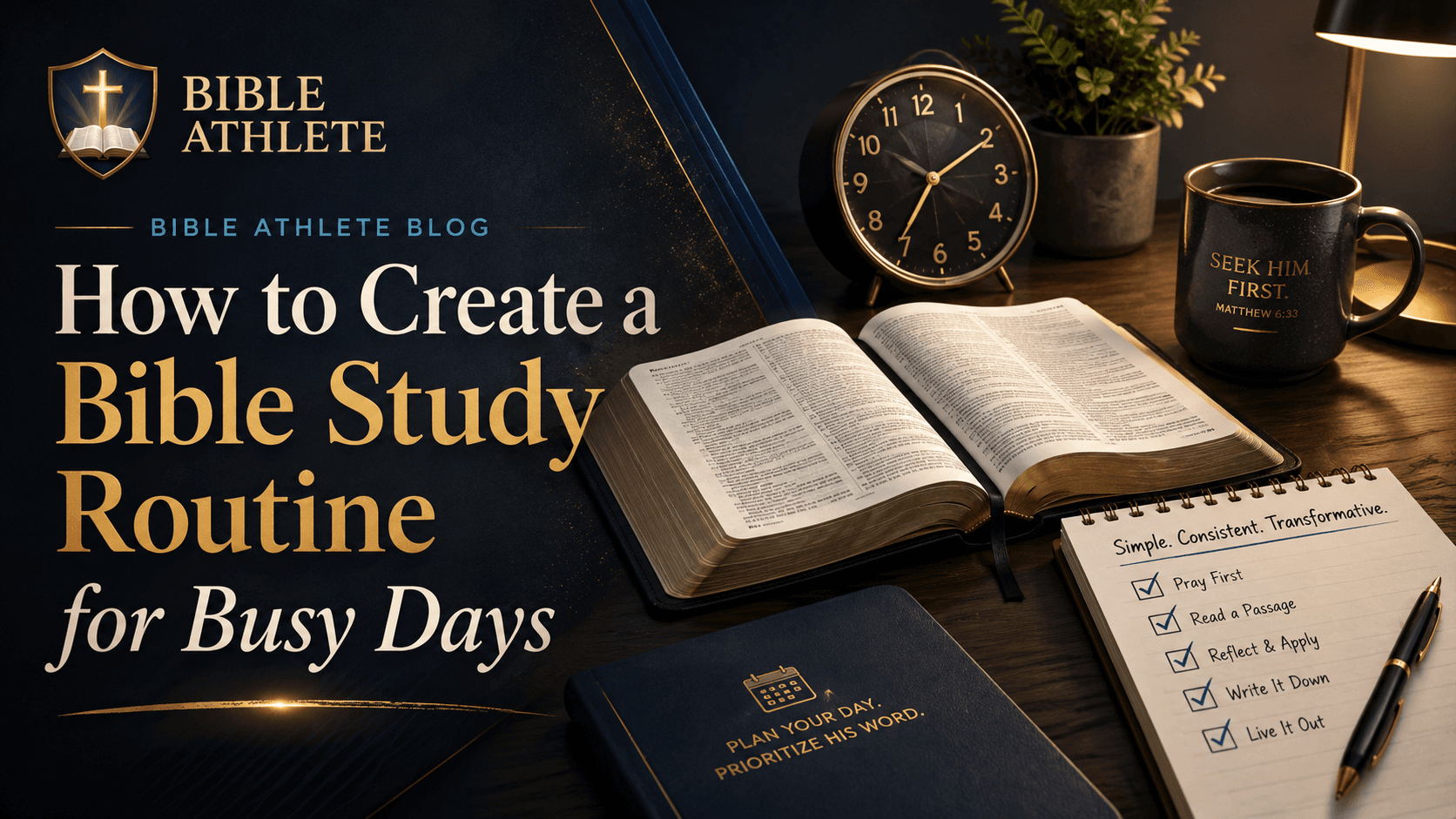
Busy does not mean careless
A crowded schedule is not proof that you do not care about Scripture. Work, family, health, caregiving, school, and unpredictable interruptions can all make long routines difficult.
The answer is not to pretend your day is calmer than it is. The answer is to design a routine with a minimum version and an ideal version.
That distinction protects you from all-or-nothing thinking. The minimum routine keeps the relationship with Scripture alive on days when the ideal routine is not available.
Separate the minimum routine from the ideal routine
Your ideal routine might be thirty minutes with a quiet room, a notebook, and no interruptions. That is wonderful when it happens. But your minimum routine should be smaller and more portable.
Build the minimum version
- 1Read one short sectionChoose a paragraph, psalm portion, or story scene instead of an ambitious multi-chapter plan.
- 2Write one observationCapture one person, event, repeated word, command, or question.
- 3Ask one recall questionClose the passage and ask what you remember before moving on.
Choose a reliable cue and prepare materials
Busy routines break when the starting point is unclear. Pick a cue that already exists, then prepare your Bible, bookmark, notebook, or app before that cue arrives.
If mornings are unpredictable, use lunch. If lunch is impossible, use the first ten minutes after the house gets quiet. The cue does not need to impress anyone. It only needs to help you begin.
Preparing materials can be as simple as leaving your Bible open to the next passage or saving tomorrow’s reading in your app. The fewer choices you face, the more likely the routine survives a crowded day.
Use short sessions well
A short session can still be focused. Read slowly. Notice names, places, repeated words, and sequence. Write one sentence about what the passage says before asking what you should do with it.
If you have extra time, expand the session. If you do not, the minimum still counts because you gave real attention to Scripture.
A useful short session has a beginning and an end. Begin with a brief prayer or breath, read the selected section, then end by naming one thing you want to remember.
That ending matters on busy days. It gives the passage a place to land before you move back into work, family, errands, or rest.
Return after interruptions
Interruptions are part of busy life. A routine that cannot handle interruptions will always feel fragile.
When you are interrupted, leave yourself a marker. Write “next: reread verses 8–12” or keep the page open. Your restart should be obvious enough that you can return without rebuilding the whole plan.
If the interruption lasts all day, return tomorrow with the same small plan. Busy routines become durable when the comeback is already built in.
The goal is a routine that bends without breaking and still invites you back.
Keep training
Related Bible study guides
Bible Study Habits
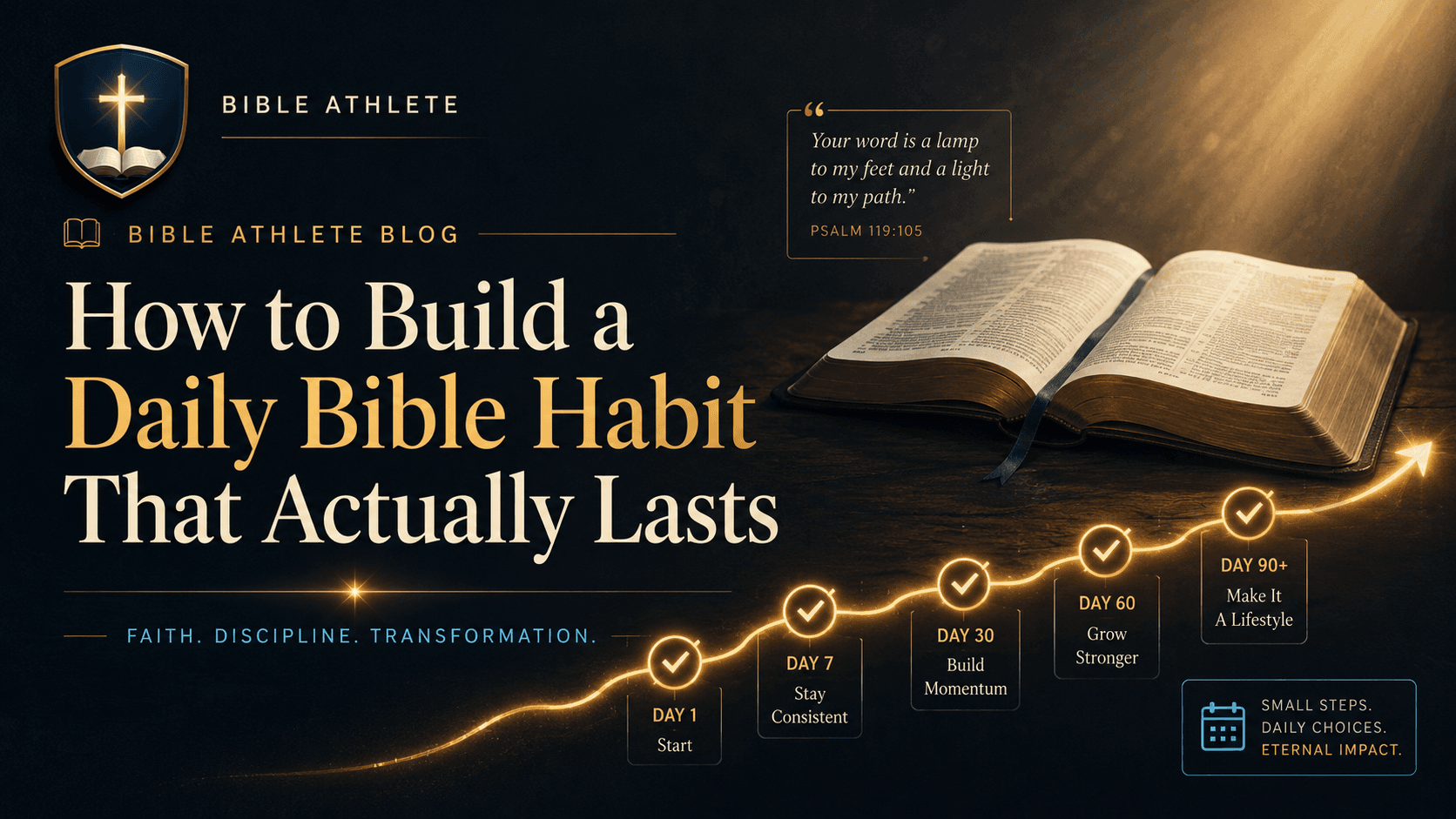
How to Build a Daily Bible Habit That Actually Lasts
A lasting Bible habit is less about a perfect streak and more about a repeatable rhythm you can return to.

Bible Study Habits
7 Simple Ways to Stay Consistent With Bible Study
Consistency grows when your plan is specific, small enough to repeat, and easy to return to after interruptions.
.png&w=3840&q=75)
Beginner Bible Study
A Simple 5-Minute Bible Routine for Beginners
Five focused minutes can give beginners a clear starting rhythm without pretending that short study is the only meaningful way to meet Scripture.